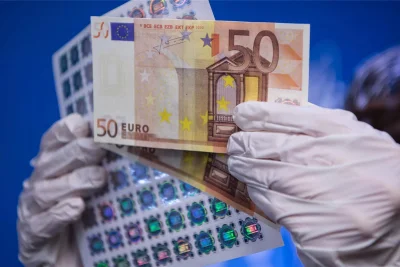
The Underbelly of Counterfeit Currency: Understanding Risks and Ethics of Buying Counterfeit Money Discreetly
In an age where financial deals can accompany a simple swipe of a finger, the undercurrent of illicit activity, particularly counterfeit money, is a concern that can not be overlooked. The act of buying counterfeit money, however discreetly, is participating in illegal activity that has far-reaching effects. This post explores the temptation, methods, and implications connected with obtaining counterfeit currency, emphasizing the ethical obligation towards legality and credibility.
Understanding the Allure of Counterfeit Currency
Counterfeit currency, or fake money, has constantly been an attractive possibility for those seeking to participate in scams or look for a short-cut to wealth. The factors behind the interest in counterfeit money can vary:
- Financial Instability: Individuals facing financial difficulty may consider counterfeit money as a quick solution to their financial dilemmas.
- Consumerism: In a society driven by consumerism, the attraction of obtaining items without genuine financial methods can be appealing.
- Ignorance of Consequences: Some may undervalue the risks and legal ramifications of possessing counterfeit money.
How Counterfeit Money is Purchased
The approaches by which counterfeit money can be discreetly obtained are many, however they typically carry significant risks. Here are some typical opportunities checked out by people seeking to obtain counterfeit currency:
- Dark Web marketplaces: Online platforms operating in the dark web frequently host prohibited transactions including the sale of counterfeit money. While these might declare to offer anonymity, users are vulnerable to frauds and police attention.
- Street Vendors: In some city locations, people might come across street sellers offering counterfeit bills. This method allures purchasers in an environment filled with risk, as there is no assurance of quality or security.
- Social Media Groups: Nowadays, closed groups on platforms like Facebook or Telegram provide networking spaces where counterfeit expenses are talked about and sold. Once again, these deals are filled with risk in regards to legal ramifications.
- Regional Criminal Networks: Some people may turn to local criminal companies or gangs for counterfeit money, where trust is required, increasing the risk of such deals.
The Risks Involved
While the desire for counterfeit money may stem from a perceived financial benefit, the threats involved are significant and far-reaching:
Legal Consequences
Taking part in the counterfeit currency market can lead to severe legal effects, ranging from heavy fines to jail time. The U.S. Secret Service, for instance, has rigorous penalties for counterfeiting, that includes belongings, production, and circulation.
Financial Loss
Obtaining counterfeit money likewise features the capacity for financial losses. Many dark web websites or street suppliers promote frauds, leaving purchasers with worthless expenses and losing their money at the same time.
Social and Ethical Implications
The purchase and ownership of counterfeit money bring social preconceptions and ethical factors to consider. It dilutes the stability of socioeconomic systems, affecting sincere people and businesses alike.
Risk of Violence
Taking part in illicit deals, especially with unidentified celebrations, can include violent encounters. Owing money to the wrong individuals or getting caught up in criminal activities can have unsafe repercussions.
Ethical Considerations
The choice to take part in the counterfeit currency market can considerably adversely impact society. Here are some ethical considerations to review:
- Consequences for Businesses: Counterfeit money cost organizations billions in losses yearly. They frequently pass these expenses onto customers in the type of greater prices.
- Effect On Criminal Justice: Investing resources in investigating and prosecuting counterfeiters diverts attention from other pushing social concerns.
- Personal Integrity: Buying counterfeit money undermines personal stability and the social contract of commerce.
Alternatives to Counterfeit Money
For those dealing with financial hardships, there are legal and ethical alternatives to counterfeit currency that must be thought about:
- Financial Counseling: Many organizations offer free or low-priced financial counseling to help manage financial obligations and improve financial literacy.
- Community Resources: Local charities and social companies often offer help, whether in food, clothing, or other assistances.
- Freelancing Opportunities: Many online platforms permit people to monetize their skills and talents legally without the dangers associated with counterfeit deals.
FAQs
1. Is it unlawful to have counterfeit money?
Yes, possessing counterfeit money is prohibited and can result in severe legal repercussions, including fines and jail time.
2. Can I tell if money is counterfeit?
Yes, U.S. currency has numerous security features, including watermarks, color-shifting ink, and specialized paper. Caleb Morales with these features can assist in finding counterfeit expenses.
3. What should I do if I receive a counterfeit bill?
If you receive a counterfeit expense, you should report it to local police or the U.S. Secret Service instantly. It's crucial to not attempt to pass the note.
4. Why is counterfeiting bad for the economy?
Counterfeiting waters down the worth of currency, impacts companies' profits, and requires increased enforcement efforts, all of which can cause greater rates for customers.
While the temptation to buy counterfeit money discreetly might be alluring, the effects far outweigh the viewed advantages. Participating in such practices postures significant legal, individual, and ethical risks, and endangers the stability of society as a whole. Individuals trying to find financial relief are encouraged to seek legitimate channels that respect both the law and individual stability. Making ethical choices not only enriches one's character however also makes sure a much healthier economy for everyone.